Wine Spectator
《Wine Spectator》 praised the 2020 Corton-Charlemagne Grand Cru for rich toasted oak and layered complexity.
{{ 'fb_in_app_browser_popup.desc' | translate }} {{ 'fb_in_app_browser_popup.copy_link' | translate }}
{{ 'in_app_browser_popup.desc' | translate }}
{{ childProduct.title_translations | translateModel }}
{{ getChildVariationShorthand(childProduct.child_variation) }}
{{ getSelectedItemDetail(selectedChildProduct, item).childProductName }} x {{ selectedChildProduct.quantity || 1 }}
{{ getSelectedItemDetail(selectedChildProduct, item).childVariationName }}
Though modest in size, Domaine Etienne Delarche has garnered strong international critical acclaim for quality and terroir expression.
Estate: Domaine Etienne Delarche
Founded: 1940s — established by Marius Delarche; now led by the third generation, Etienne Delarche
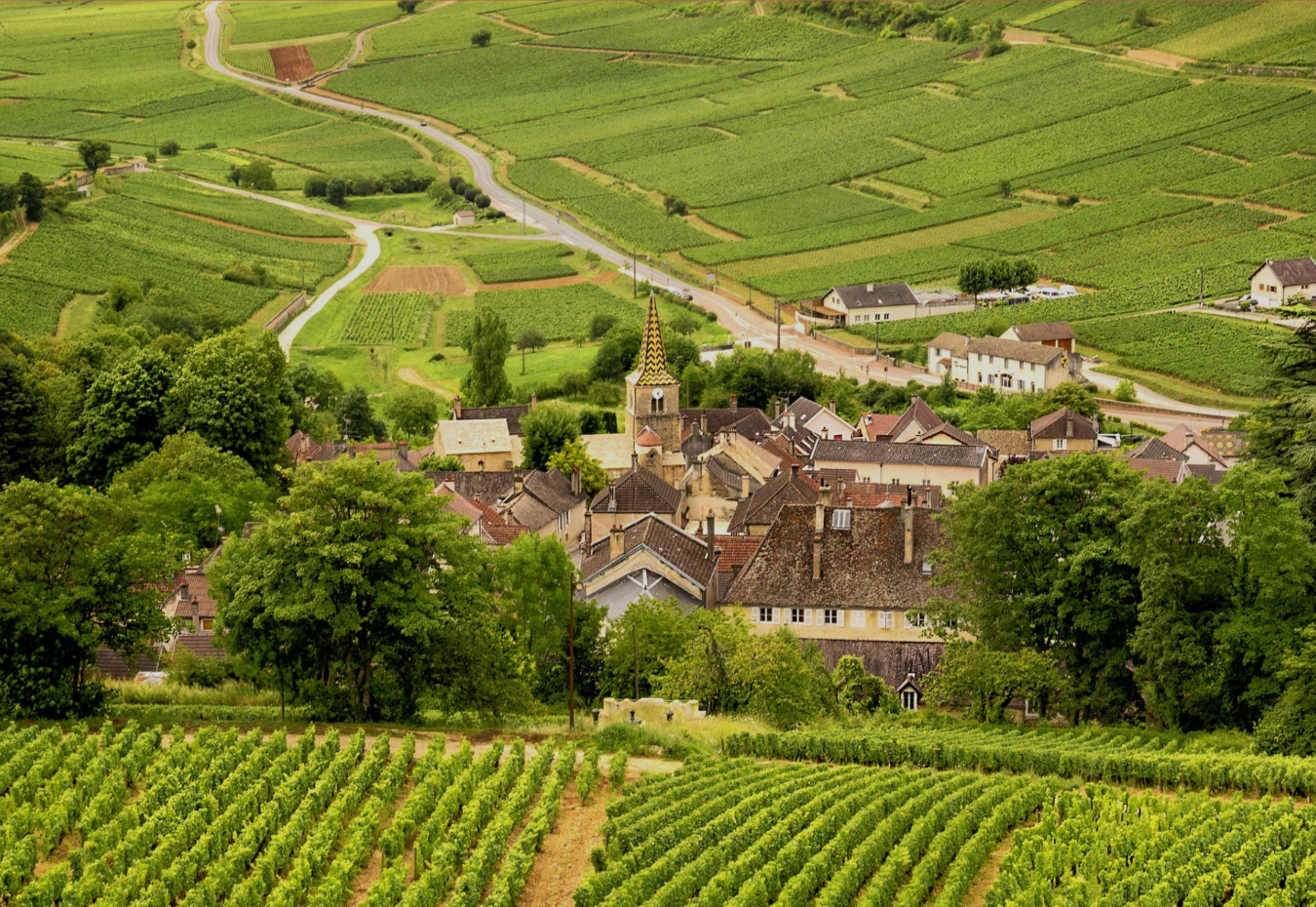
Location: Pernand-Vergelesses, Côte de Beaune, Burgundy (France)
Vineyard size & main appellations: ~9 hectares covering:
Main grape varieties: Pinot Noir, Chardonnay
《Wine Spectator》 praised the 2020 Corton-Charlemagne Grand Cru for rich toasted oak and layered complexity.
Opening a Bottle named Etienne Delarche among “French Winemakers to Know,” highlighting elegant tension and intricate detail—especially in the refreshing, complex whites.
Roberson Wine describes the domaine as “one of Burgundy’s most underrated,” noted for purity, finesse, age-worthiness, and fair pricing.
After his father Philippe passed away, Etienne took over the domaine in 2005. Trained in Beaune and seasoned by internships around the globe, he is recognized among Burgundy’s leading new generation. His wines are noted for purity, finesse, and age-worthiness.
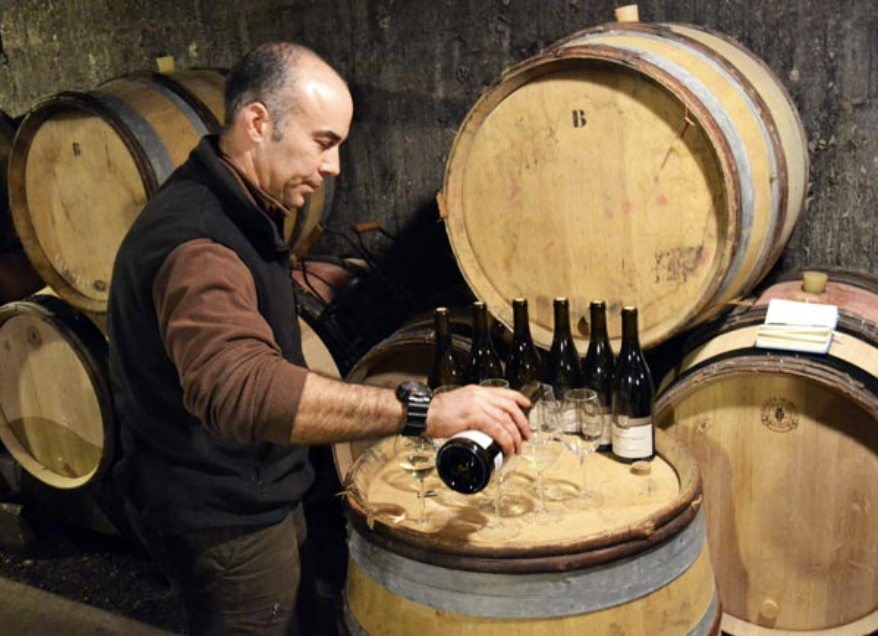
Every winery carries its own philosophy—shaped by terroir, tradition, and the winemaker’s vision. These values influence every step, from vineyard practices to cellar decisions, ultimately crafting wines that express both place and purpose. Below is an overview of Domaine Etienne Delarche’s guiding principles and stylistic identity.
The estate practices a near-organic approach, without official certification, but remains committed to avoiding chemical herbicides and fertilizers. Emphasis is placed on manual vineyard work, promoting biodiversity and healthy soils, to preserve the purity of the terroir.
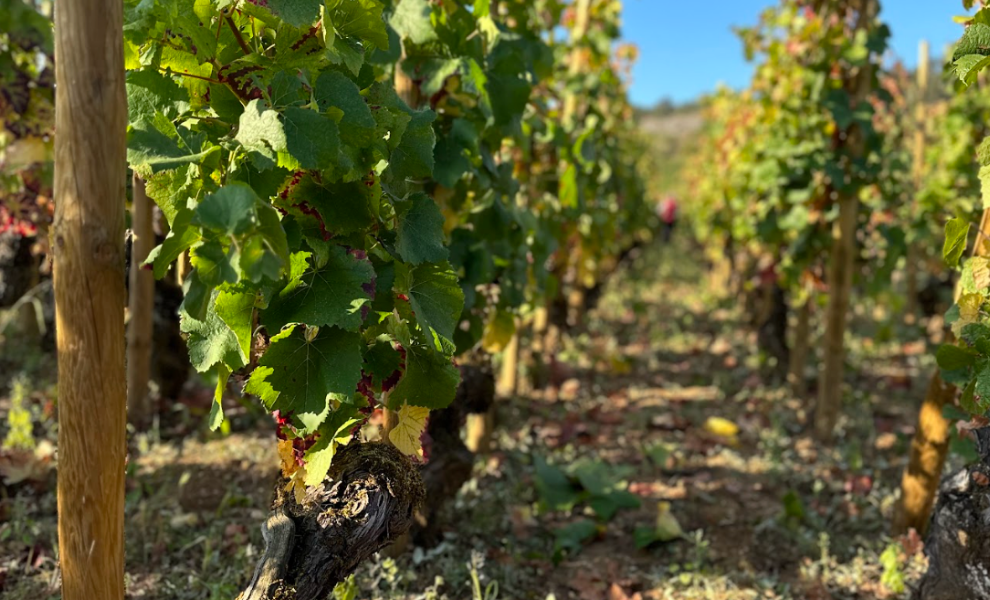
All grapes are hand-harvested and fermented using native yeasts.
– Red wines: Pinot Noir is fully destemmed and fermented in stainless steel tanks, then aged for 12 to 15 months in French oak barrels, with no more than 10% new oak.
– White wines: Chardonnay is gently pressed and both fermented and aged in French oak barrels; new oak is used only for Corton-Charlemagne, others rely on older barrels.
All wines are neither fined nor filtered, preserving texture and aromatic purity.
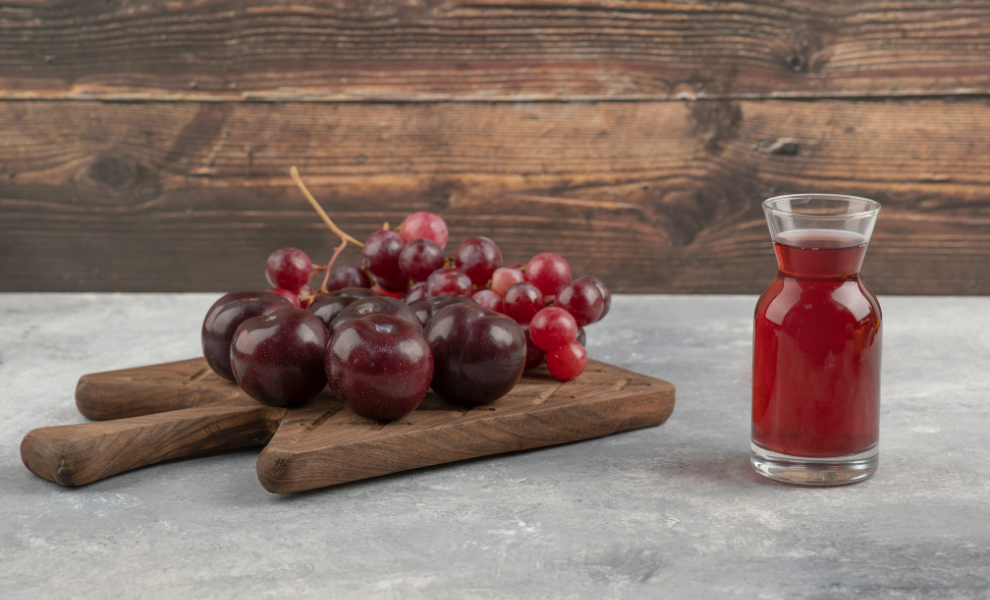
The wines exhibit precise flavors and pure fruit expression. The whites are rich and creamy, while the reds show spicy intensity and fine structure — ideal for both early drinking and long-term aging.
Burgundy Report
Pronounced minerality and tension with long aging potential
Wine Advocate
Complex bouquet combining stony notes and citrus; rich palate and long finish
Wine Spectator
Taut structure with concentrated fruit and depth; age-worthy
California Wine Advisors
Silky mouthfeel with vivid red fruits; long finish; suitable for cellaring
Burgundy Report
Focused fruit and balanced palate; best enjoyed young


